Why You Should Get a Second Opinion Before All-on-4® or Full-Mouth Rehabilitation
All-on-4® Second Opinion Guide
Next Smile Australia - September 2026 - 7 Minute Read
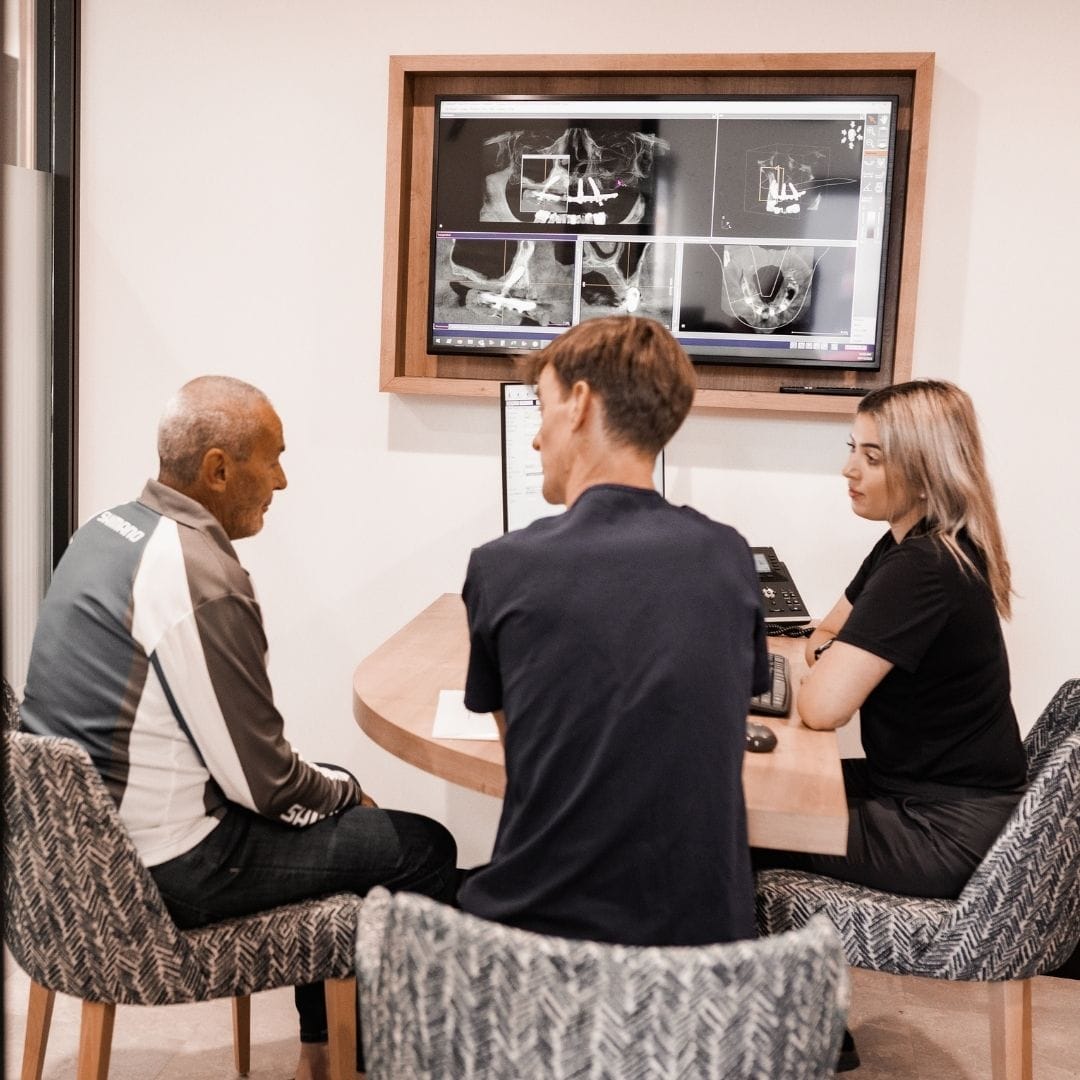
Getting a second opinion before All-on-4® dental implants or full-mouth rehabilitation is a smart step. It helps you check your diagnosis, understand your options, and feel sure about your choice. A good second opinion SHOULD includes a full exam, X-rays or a scan, a clear explanation of your options, and a full cost breakdown, not just a new quote.
Before Committing to All-on-4® or Full-Mouth Rehabilitation
If your dentist has told you that you may need All-on-4® dental implants or full-mouth rehabilitation, it’s normal to want to be sure.
These are big decisions. They can involve several teeth, dental implants, and a real investment of time and money. If teeth need to be removed. Which happens with All-on-4® dental implants or overdentures, that step can’t be undone.
That’s why getting a second opinion is a smart part of the process.
A second opinion isn’t about doubting your dentist. It’s about understanding your choices, getting a clear diagnosis, and feeling confident about the treatment you choose.
Why Should You Get a Second Opinion?
There’s often more than one way to treat your teeth. Full-mouth rehabilitation isn’t a one-size-fits-all treatment.
Depending on your teeth, gums, bone and overall health, your options may include repairing your existing teeth, single dental implants, implant-supported overdentures, or a fixed full-arch option like All-on-4® dental implants. In more complex cases, options like zygomatic implants may be considered.
Some teeth can be saved with the right care. Others may be too damaged to fix long-term. Which is when a full-arch option like All-on-4® dental implants may be recommended.
The important thing is understanding why a treatment was recommended for you, and what your other options would mean for how your teeth work, how long they last, upkeep, all on 4 dental implants cost and treatment time.
Treatment Planning Can Differ Between Clinicians
Different dentists can recommend different treatments. Two dentists can look at the same patient and suggest different treatments.
This can come down to the health of your remaining teeth, how much bone you have, how many implants are needed, and the type of new teeth being planned.
This doesn’t mean one dentist is right and the other is wrong. Dentistry involves clinical judgement, and different approaches can both be reasonable.
A second opinion helps you understand these differences before you decide.
Full-Arch Treatment Requires Specific Experience
Full-arch treatment needs real experience. All-on-4® and other full-arch implant treatments are complex. They involve careful planning across surgery, implant placement, bite, new teeth and long-term care.
When comparing providers, it is worth asking how frequently they perform full-arch rehabilitation and who will be responsible for each stage of your treatment.
Experience matters because full-arch treatment isn’t simply about placing implants. Your treatment plan needs to consider how your new teeth will function, how they will look, how they will be maintained and how your oral health will be monitored over time. .
What Should a Second Opinion Include?
A second opinion should be more than just a second quote.
A thorough second opinion should include:
• A full clinical exam
• X-rays or a 3D scan (CBCT) if needed
• A check of your remaining teeth, gums and bone
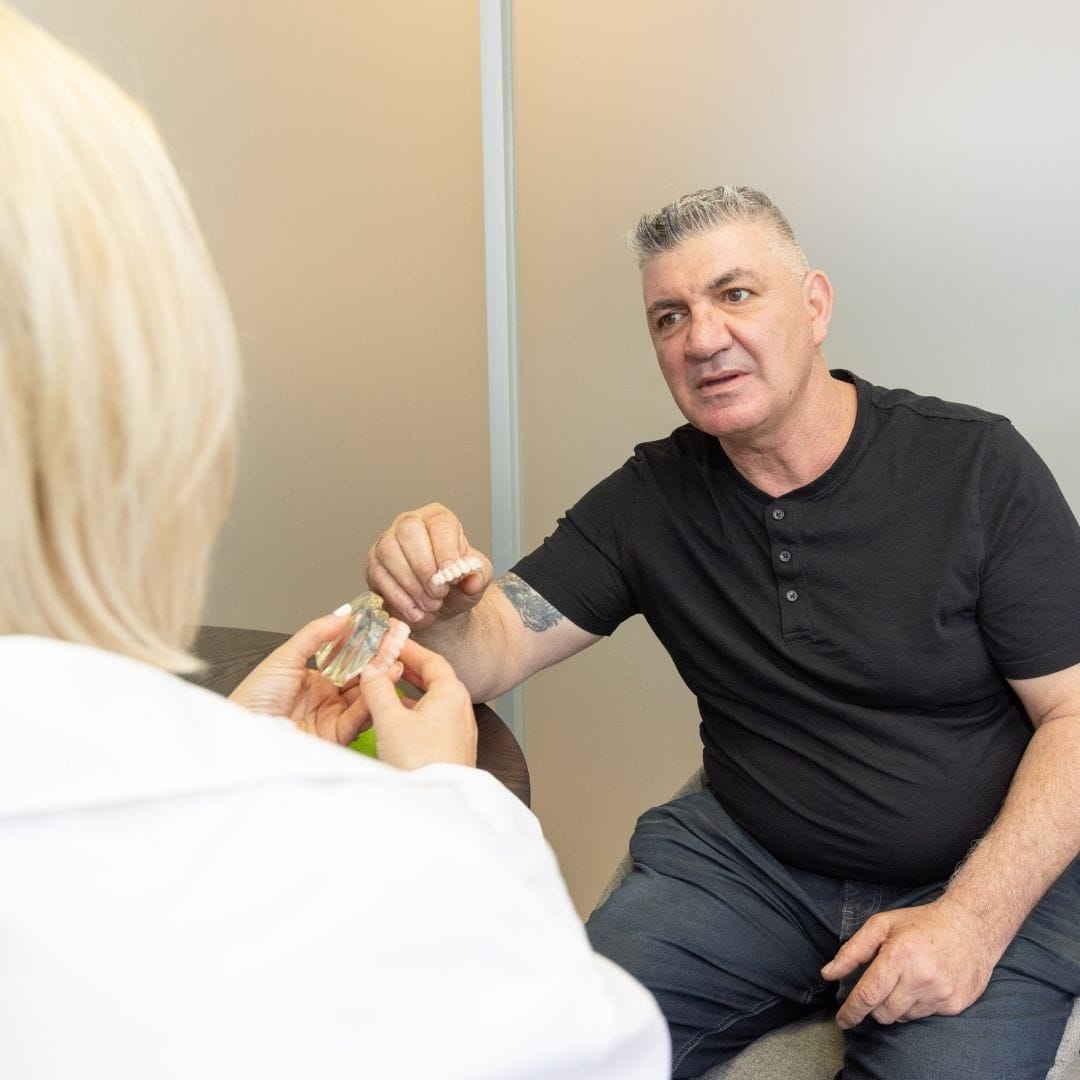
• A clear explanation of the recommended treatment, and why
• A discussion of your other options
• The risks and possible complications
• A clear treatment timeline
• An explanation of your temporary and final teeth
• A full breakdown of costs and what’s included
• A discussion about long-term care
You should also be able to ask questions and take your time. You shouldn’t feel rushed into a big decision.
Quick Checklist: Signs It’s Worth Getting a Second Opinion
✓ You’ve only spoken to one dentist
✓ You feel rushed to decide
✓ You’re not sure why this treatment was recommended over other options
✓ You don’t have a clear, itemised cost breakdown
✓ Teeth need to be removed, and that step is permanent
What Questions Should You Ask at Your Consultation?
Taking the same questions to every consultation makes it much easier to compare treatment plans.
About your diagnosis
• Why is this treatment right for me?
• Which of my teeth could be saved, and for how long?
• What happens if I wait?
• What are my other options?
• Why are those options recommended, or not, for me?
About the provider
• How many full-arch cases have you personally done?
• Who will place my implants?
• Who will make my new teeth?
• Is my treatment planned by one team?
• How experienced is the team with complex cases?
About the treatment plan
• How many implants do I need, and why?
• Will I need extra procedures, like bone grafting?
• What temporary teeth will I get, and when?
• What will my final teeth be like?
• How long will treatment take, from start to finish?
• What happens if my plan needs to change?
About long-term care
• How are implants and teeth cared for?
• How often do I need check-ups?
• What if a part needs repair or replacing?
• What happens if an implant doesn’t take?
• Who looks after me after treatment?
About cost
• What’s included in the price?
• Are there likely to be extra costs?
• Are check-ups, scans, temporary and final teeth included?
• What ongoing costs should I expect?
Is Cost the Most Important Factor?
Cost matters. Full-mouth rehabilitation and All-on-4® dental implants are a big investment. But comparing prices alone can make it hard to see the full picture.
When you compare providers, think about the team’s experience, what’s included, and the support you’ll get. Ask yourself:
• Do I understand what I’m having done, and why?
• Do I know what happens at each step?
• Do I feel confident in the team treating me?
• What if I have questions during recovery?
• What support will I get after treatment?
• Who looks after me in the years ahead?
A lower price isn’t always better value if key steps, follow-up care or long-term support aren’t included.
Your decision should come down to a treatment you understand, a team you trust, and a provider who supports you from your first visit through to your final teeth and beyond.
Choosing a Team With Real Full-Arch Experience
Whichever provider you choose for your second opinion, it’s fair to ask about their experience with full-arch treatment.
Next Smile Australia is the only Australian provider personally endorsed by Professor Paulo Maló, the inventor of the All-on-4® treatment concept. We follow his original Maló Protocol and have completed more than 12,000 full-arch procedures over 20+ years.
Our Super Clinics use Nobel Biocare implants and are recognised as Nobel Biocare All-on-4® Centres of Excellence, with a reported 98% clinical success rate. We have a national network of Super Clinics and Accredited Partners across Australia, so ongoing care can stay close to home.
If your current treatment plan is for All-on-4® or full-mouth rehabilitation, our team can give you an independent second opinion, including a full exam and a clear look at your options.
A Second Opinion Should Give You Confidence, Not Confusion
You should feel comfortable asking questions, understanding your options, and taking the time you need.
A second opinion can confirm whether your proposed treatment is right for you, show you other options, and help you know what to expect.
If both opinions agree, you can move forward feeling sure of your choice.
The right choice isn’t always the cheapest option, or the biggest treatment. It’s the option that suits your situation, delivered by a team you trust, who will support you through treatment and beyond.
Frequently Asked Questions About Getting A 2nd Opinion
Does Next Smile Australia offer second opinions on treatment planned elsewhere?
Yes. Our clinical team can give you an independent second opinion on a proposed All-on-4® or full-mouth rehabilitation plan, including a full clinical exam and a clear look at your options.
Will getting a second opinion delay my treatment?
A short delay to get a second opinion is a small trade-off for a decision this significant. Most second-opinion appointments can be booked quickly, and understanding your options fully can help you avoid a decision you’re not confident in.
What should I bring to my second-opinion appointment?
Bring any X-rays, scans or treatment plans you’ve already been given, a list of your current medications, and any questions you want answered. This helps the team give you the most useful second opinion.
Is a second-opinion appointment different to a first consultation?
The process may be similar, including an examination and imaging where clinically appropriate. A second-opinion appointment also considers the treatment you have already been offered, the reasons it was recommended, and other treatment options that may be available based on your individual circumstances.
How much does a second opinion for dental implants cost?
*Consults are free, with some clinics asking for a small holding free to hold the dental surgeons time to provide an accurate consults
For additional frequently asked questions about All-on-4® Dental Implants, visit our All-on-4® FAQ’s page
References & Sources Cited:
1. Australian Dental Association (ADA). Patient information on choosing a dentist and treatment planning. ada.org.au.
2. Australian Health Practitioner Regulation Agency (AHPRA) / Dental Board of Australia. Registration standards and codes of conduct. ahpra.gov.au.
3. Nobel Biocare. The All-on-4® Treatment Concept: Clinical Summary & Protocols. Nobel Biocare Services AG.
Disclaimer: Any surgical or invasive procedure carries risks. This article provides general information only; individual suitability for any treatment is determined by clinical assessment.